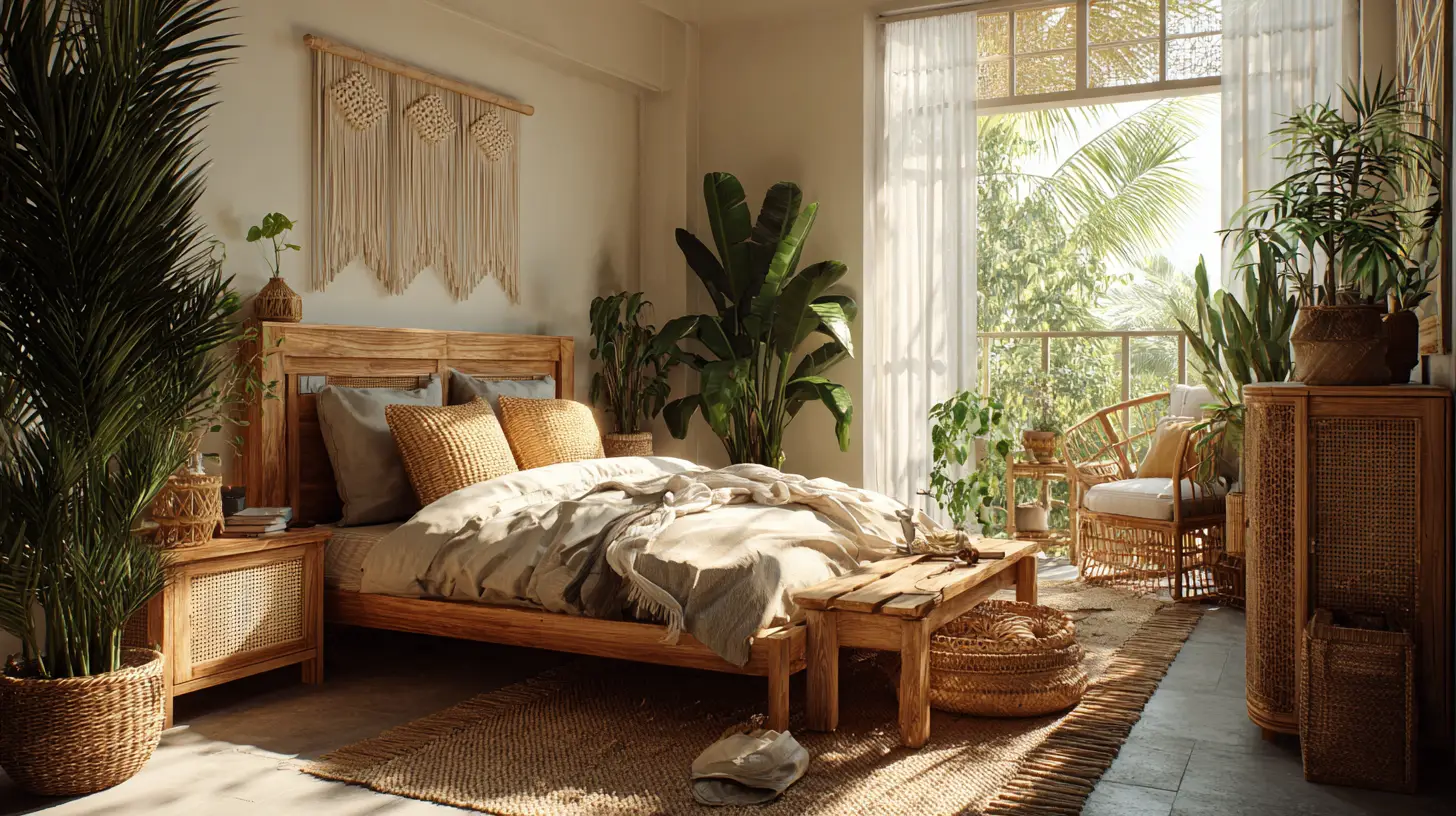
Bedroom Decor Rules You Can Stop Following
The bedroom is the one room that should answer to nobody — not trends, not showrooms, not anyone’s idea of what “done” looks like.
The most beautiful bedrooms aren’t the perfectly-styled ones on Pinterest — they’re the ones that feel like the person who lives in them actually chose everything on purpose.
The big four
Old rule. New reality.
Most bedroom “rules” were invented by showrooms trying to sell sets and stylists photographing rooms nobody actually sleeps in.
Rule 01
Nightstands must match
Mismatched nightstands add life
Identical nightstands signal showroom, not bedroom. One vintage stool on the left and a slender modern table on the right tells a more interesting story — and it’s often cheaper to pull off.
Relaxed ruleRule 02
You need a headboard
The wall is your headboard
A large-format artwork, a panel of fabric, a row of hanging pendants — all anchor the bed without a headboard in sight. The best examples online are headboard-free.
Completely optionalRule 03
Dark walls make rooms feel smaller
Dark walls create atmosphere
Deep forest green, dusty navy, or charcoal on one wall makes the room feel like a sanctuary. Studies show dark accent walls consistently rank higher for perceived comfort.
MythRule 04
Pillows must be symmetrical
Symmetry is for hotel lobbies
Three pillows on one side, two on the other. One oversized euro. The most visually interesting beds break the rule every time. Asymmetry signals intention, not mess.
Rethink itWhy it matters
Your bedroom affects your brain more than you think
Interior environment directly impacts sleep quality, anxiety levels, and how rested you feel — regardless of how many hours you’re in bed.
Two approaches
The room that follows rules vs. the room that breaks them
Your bedroom should look like you live in it — not like you’re trying to sell it.
Interior design psychology · Colour & space perception
All eight
The full list of rules you’re free from
Permission, granted.
Rugs don’t have to be neutral
The fear of committing to a patterned or bold rug is bigger than the risk. A vintage kilim or a terracotta geometric grounds the room with personality. Neutral rugs look like placeholder furniture — fine for staging, forgettable for living.
Go bolder than you think you shouldArt doesn’t have to be framed the same way
Mixed frame finishes — one thin gold, one dark wood, one unframed canvas — create a gallery wall that looks collected rather than purchased as a set. The uniformity rule was invented for hotel corridors.
Mix deliberately, not randomlyYou don’t need overhead lighting as your main source
Overhead lighting is the single biggest reason bedrooms feel clinical. A ceiling light as a supplement — ambient lamp light as your primary — is how every well-photographed bedroom works. Pendants, wall sconces, and table lamps do more than a central fitting ever could.
Layer your light sourcesThe bed doesn’t have to be centred on the wall
Pushing your bed into a corner — especially in smaller rooms — creates a reading nook effect that feels intentional and cosy. Off-centre beds with asymmetric space on either side have become one of the most searched bedroom layouts in the last three years.
Asymmetry reads as confidencePlants don’t belong only on windowsills
A trailing pothos hanging from a shelf bracket in a dark corner, a large-leaf monstera beside the wardrobe, a single stem in a bud vase on the floor — plants placed unexpectedly add organic life that styled surfaces can’t replicate.
Put plants where you wouldn’t expectCurtains can touch — or pool — on the floor
The “curtain hem should clear the floor by 1 inch” rule produces rooms that look unfinished. Floor-length curtains that skim or gently pool on hardwood floors feel luxurious. The caveat: fabric and colour need to earn it.
Let the fabric breatheYou don’t need a dresser if you have a wardrobe
The dresser-plus-wardrobe combination exists because American homes were designed without built-in storage. If you have a wardrobe, a dresser is often just surface space that collects clutter. Remove it and see how differently the room breathes.
Subtraction is decorationEverything doesn’t have to be “done” at the same time
The best bedrooms are assembled slowly — one piece at a time, found not purchased. A room completed in a weekend shopping trip looks like a weekend. A room built over years looks like a life. Save the space. Trust the process.
Buy less. Wait for the right thing.The science of bedroom colour
What each colour actually does to your nervous system
Before you repaint, understand what the research says.
Deep Green
Lowers cortisol. Nature-adjacent tones promote the most restorative sleep.
Muted Blue
Slows heart rate. Most common colour in high-rated hotel bedrooms.
Warm Earth
Emotionally warming without stimulating. Best as an accent wall.
Warm Taupe
Reduces visual noise. The eye rests, reducing mental stimulation at bedtime.
Dusty Rose
Creates emotional warmth. Best in small doses — one wall or through textiles.
Your bedroom audit
Start here. Tonight.
Eight things you can actually change without buying anything new.
- ✓Remove one piece of furniture you don’t love from the room
- ✓Replace overhead light as primary source with a lamp
- ✓Move your bed away from the exact centre of the wall
- ✓Swap one nightstand for something unexpected
- ✓Get a paint tester in a deep, earthy tone and try one wall
- ✓Add one plant in an unexpected spot — not the windowsill
- ✓Let your curtains drop all the way to the floor
- ✓Rearrange your art so nothing is perfectly symmetrical
Leave a Reply